HPC in Higher Education Field
High Performance Computing (HPC) plays a critical role in higher education by enabling researchers to process and analyze massive datasets generated from field studies. These datasets are often collected through sensors, satellites, telescopes, and other advanced equipment, and require significant computational power to extract meaningful insights.

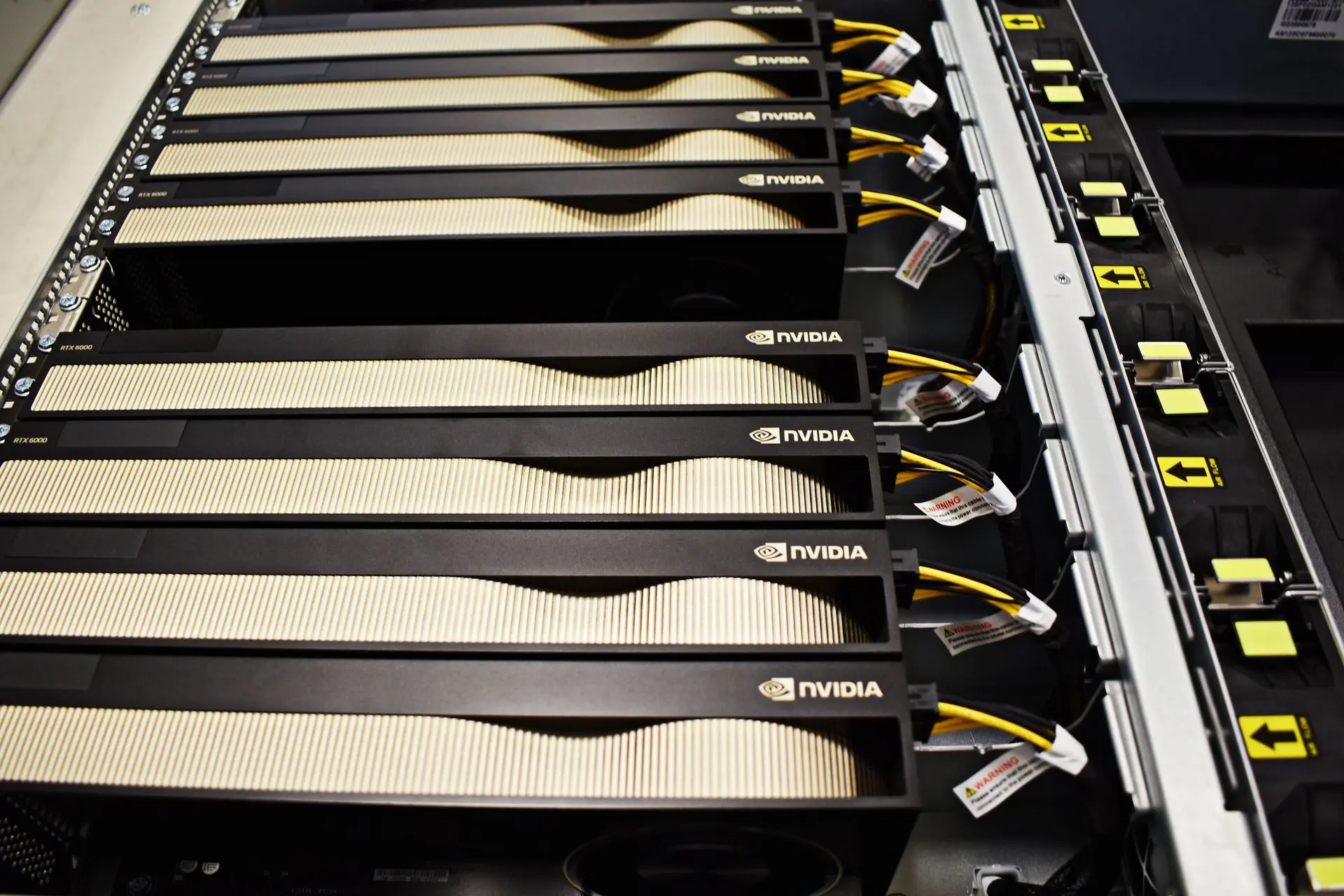

HPC enables high-resolution climate modeling and weather forecasting by processing vast atmospheric, oceanic, and terrestrial datasets. This supports field-based research on climate change impacts, hurricane trajectory prediction, and urban air pollution modeling.
Data collected from powerful telescopes and satellites is processed using HPC to simulate complex cosmic phenomena. These simulations help researchers study black hole dynamics, galaxy formation, and the fundamental origins of the universe, validating and refining theoretical models.
HPC accelerates the analysis of large-scale genomic sequencing data obtained from field samples. This capability supports research into viral mutations, personalized medicine, and molecular modeling used in modern drug discovery.
Field data related to environmental stressors—such as wind loads, seismic activity, and pressure forces—is fed into HPC simulations. These simulations help ensure the safety, resilience, and optimal design of infrastructure including bridges, dams, and skyscrapers.
HPC is widely used to analyze geological survey data collected in the field. Researchers simulate oil and gas reservoirs and model the performance of renewable energy systems, such as wind farms, to improve efficiency and reduce risk.
An emerging but growing area, HPC supports large-scale data analytics, qualitative research, and image analysis in the social sciences and humanities. Examples include processing field photographs, analyzing cultural datasets, or counting lunar craters in planetary studies
HPC simulations allow researchers to analyze the atomic and molecular structures of materials collected during field research. This enables accurate prediction of material properties and the design of advanced materials with less reliance on physical experimentation.